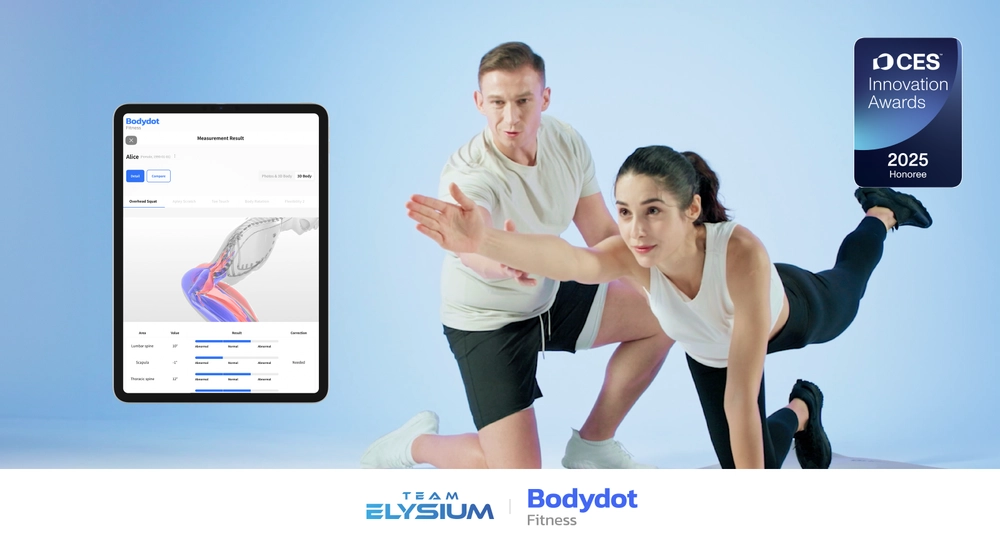
Running a fitness or Pilates center, there’s one question that comes up again and again:
“We’re getting new consultations, but they’re not turning into sign-ups.”
You spend money on ads, write blog posts, distribute flyers, and work hard just to get potential members through the door — only for them to have a consultation and walk away without signing up.
If you’re a studio owner, chances are you’ve experienced this more than once.
The formula for increasing revenue is actually quite simple:
- Get more people through the door (Marketing, Ads, Content)
- Convert more of the people who walk through the door (Consultation, Conversion)
In this article, we’ll focus on the second part: how to turn visitors into paying members.
When a New Customer Walks In, How Are You Handling the Consultation?
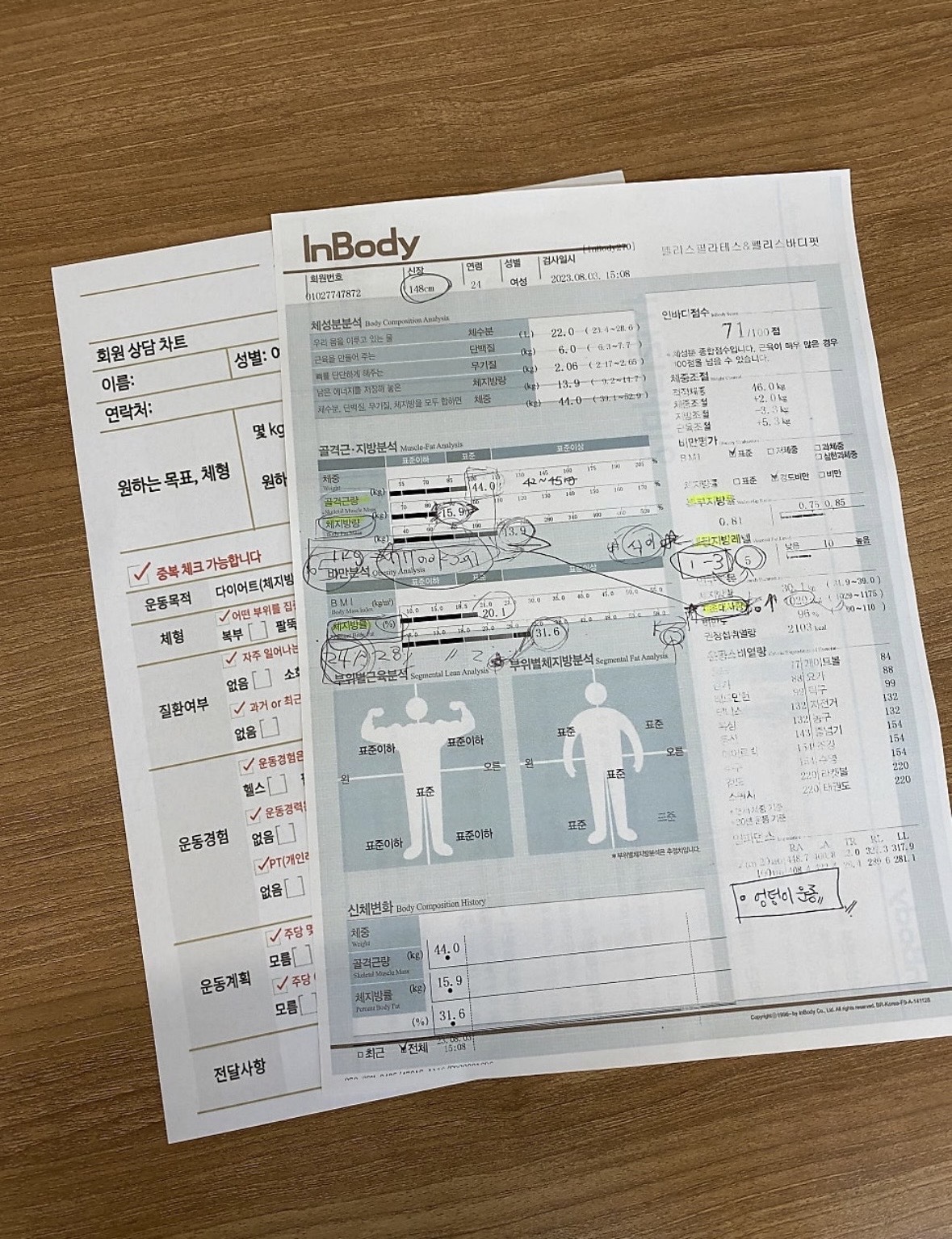
Most centers follow a similar three-step consultation process:
- Body composition measurement and posture assessment
- Facility tour
- Pricing and membership information
The problem isn’t necessarily the order or the content. It’s how intentionally these three steps are designed.
- Do you take measurements and simply read the numbers to the member?
- Does the facility tour simply involve walking the member around the space?
- Do you bring up pricing too early, or rush through it at the end?
In most cases, this entire process exists only in the owner’s head. They rely on the “feel” they’ve developed through years of experience to guide the consultation.
But the moment you rely on instinct, several things become difficult:
- You can’t evaluate what’s missing because there’s no clear standard.
- You can’t effectively train staff or instructors because not everything can be passed on verbally.
- You can’t consistently improve the consultation because when every consultation is based on instinct, it’s difficult to know what needs to change.
And most importantly, when the owner isn’t there, conversion rates can drop sharply.
That’s why you need to turn consultation into a process.
A process gives you something you can evaluate, teach, and continuously improve. And when you do that, your staff and instructors can deliver a similar level of consultation even when the owner isn’t there.
Key 1. The Experience Should Be Consistent, No Matter Who Is Explaining
There should be little difference between a consultation led by the owner and one led by a junior trainer who has just started.
Senior instructors can often do this well without any tools. By observing the body, assessing movement, and guiding the member through simple movements, they can create a convincing explanation.
The challenge is the junior trainer.
Even when looking at the same body, they may not yet know what to point out or how to explain it in a way that makes sense to the customer.
Here’s an example of what not to do.
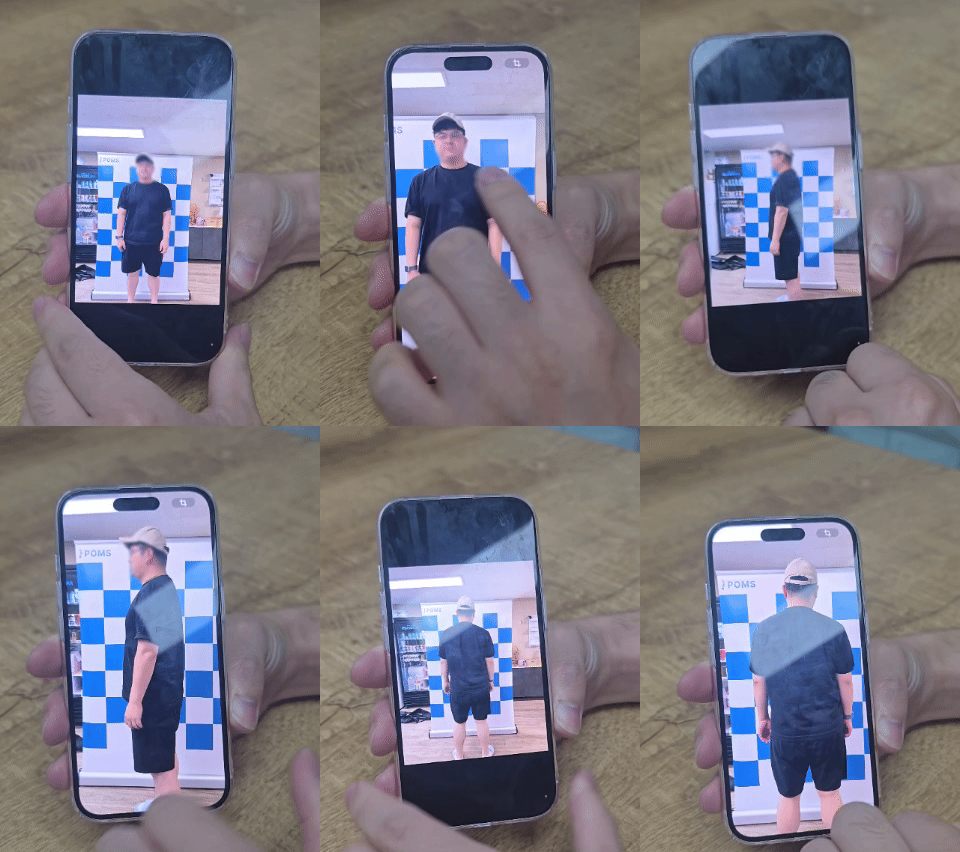
Some trainers flip through photos on their phone gallery, saying, “This area needs work…” before moving on to, “This one isn’t great either.”
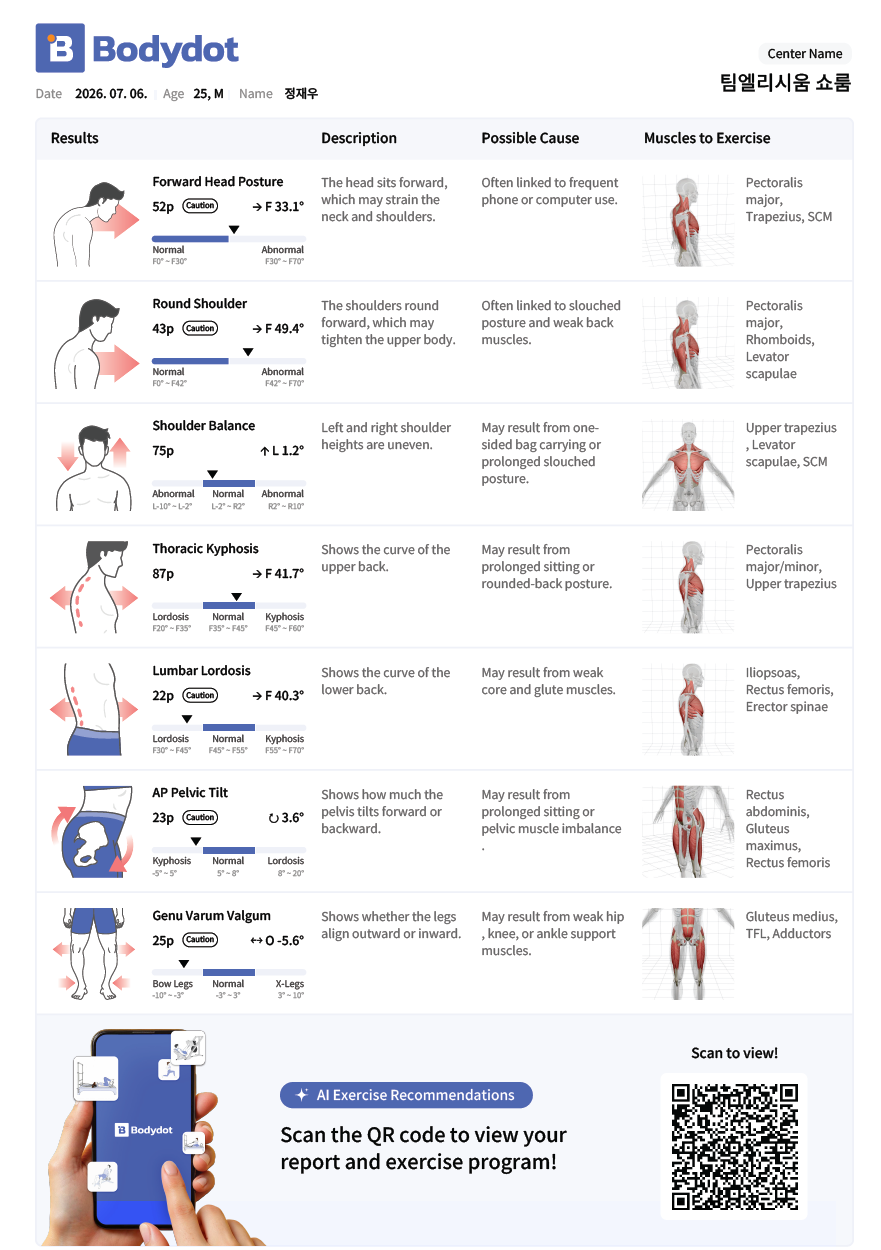
Others carefully mark each point on a posture assessment sheet and even print out a report for the customer to take home.
It’s the same center, but the impression a customer gets can vary dramatically depending on who conducts the consultation.
The way to reduce this gap is surprisingly simple:
Make sure every consultant uses the same tools and the same consultation sheet.
With a standardized consultation sheet, even junior trainers can go through each item step by step and explain the results at a level similar to that of a senior trainer.
A tool won’t completely eliminate differences in skill, but at the very least, it creates a baseline: “No matter who conducts the consultation, this is the level of experience we provide.”
Key 2. Create an Impactful Moment Right Before the Sign-Up
The final stage of the consultation, just before discussing pricing, is the moment that can make or break the decision to sign up.
What you need at this point isn’t more explanation. It’s impact.
Right before presenting the membership options, place one thing your center does best at this point in the customer journey.
- If posture correction is your strength → Let the customer experience a short 1:1 corrective exercise and feel the difference for themselves.
- If your trainers are your strength → Show before-and-after cases that are similar to the customer’s current condition.
- If your facilities are your strength → Design the consultation flow so that customers see your best facilities right before discussing the price.
On the other hand, let’s also look at one of the worst things you can do.

What if the last stop before discussing the price is the shower room — and the customer sees hair left behind?
Would they really still want to sign up?
Pay close attention to what the customer sees and what they experience in those final moments before making a payment.
- Dust and debris piled up next to the equipment
- A stuffy atmosphere because the air conditioning hasn’t been turned on in the summer
- An unpleasant smell hitting them as soon as they walk in
If these become the customer’s final impression right before payment, even an excellent consultation can fall apart in that moment.
Before they say, “Let me think about it and get back to you,” you need that final push that makes them feel confident enough to sign up on the spot.
And that shouldn’t depend on instinct. It needs to be designed so it can be consistently reproduced.
- Revenue = Traffic × Conversion. Today, we focused on conversion.
- A consultation shouldn’t rely on instinct. It should be a process with a defined sequence and script.
- Use tools to reduce the gap between senior and junior trainers and raise the overall standard of measurement and analysis consultations.
- Right before the payment stage, create impact by showcasing what your center does best.
The Tool That Makes Both Possible
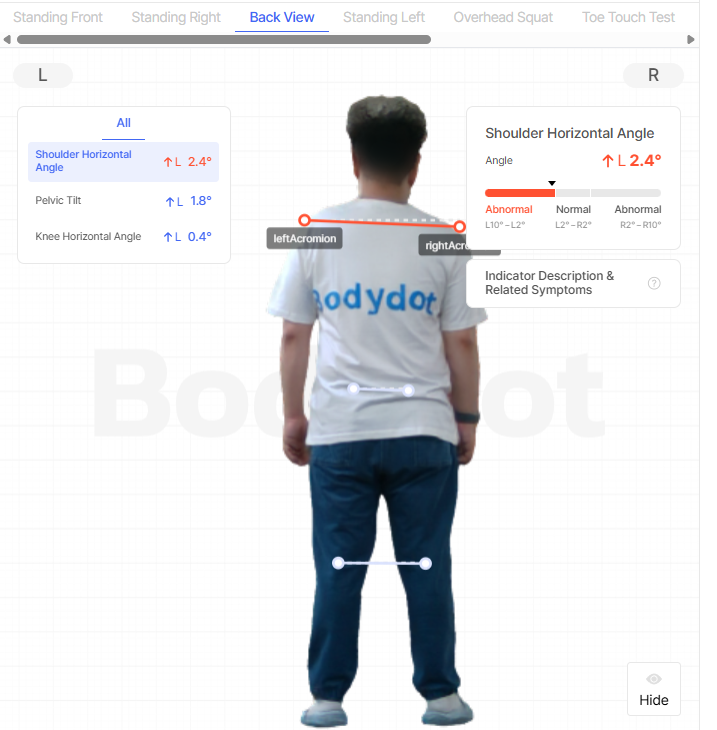
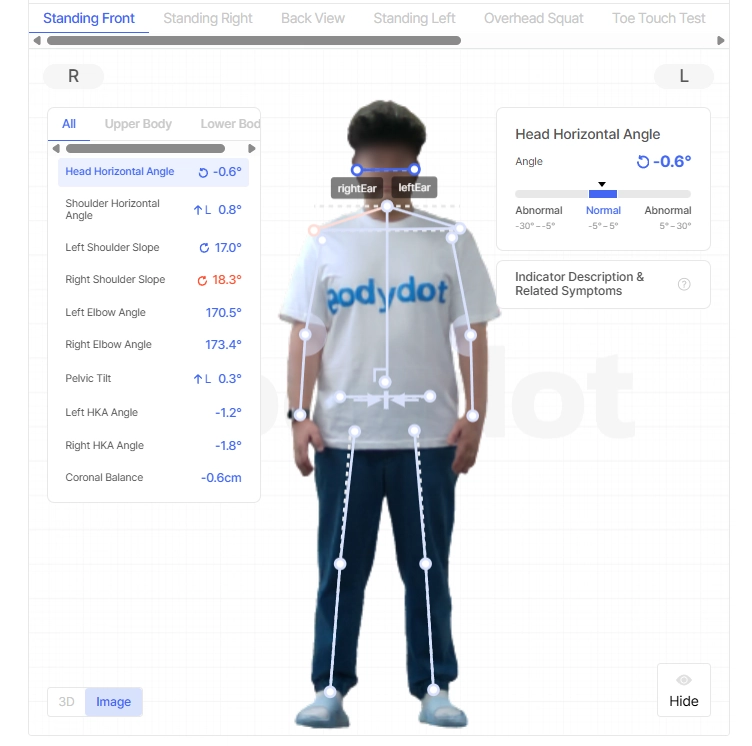
Bodydot uses AI to analyze the body and provides a report with around 40 measurement indicators.
Because everyone can measure using the same standards and explain the results based on the same data, Bodydot helps reduce the variation in consultations between different trainers.
Bring AI-powered body analysis into your consultation process — something customers don’t easily experience at other centers.
Instead of simply hearing, “One shoulder is slightly higher,” or “Your pelvis is misaligned,” customers can see the results of their own body analysis, directly analyzed by AI.
By seeing their posture and body condition — things they may not have been aware of in their everyday lives — through objective data and visual results, they can come to the realization themselves:
“I really do need to exercise.”
That is the impact Bodydot can create during a consultation.
Ultimately, Bodydot is about more than a single measurement.
It’s about enabling a consistent level of consultation, no matter who conducts it. And helping customers recognize the need for exercise for themselves.
Raising the standard of consultation and creating impact.
Bodydot is the tool that makes both possible.
No more guessing. Know your body.